
Local content: towards shared responsibility
In an atmosphere shaped by commitment and driven by the project’s strategic vision, AFG Bank Mali officially launched its Local Content Champion Program (LCCP), an unprecedented initiative aimed at strengthening the integration of Malian suppliers into the mining value chain. Held under the joint chairmanship of the Minister of Mines and the Minister of Energy and Water, the ceremony brought together a broad range of institutional, industrial and financial stakeholders, all mobilised around a common objective: to make local content a lever for economic sovereignty and sustainable inclusion. As witnesses to the launch, a panel of mining-sector actors and executives from the AFG Group in Mali shared their impressions with POINT FOCUS.
Local content is undoubtedly the most eagerly awaited innovation arising from the reforms undertaken by the Malian government in the private sector. It is seen as a catalyst for a popular aspiration to see national actors occupy a greater place in the mining industry. National champions—this is what AFG Bank seeks to create, or at least to foster, in Mali. This ambition also underpins the State’s decision to equip Mali with a specific law on local content in the mining sector.
Adam Cissé, Chief Executive Officer of AFG Assurances
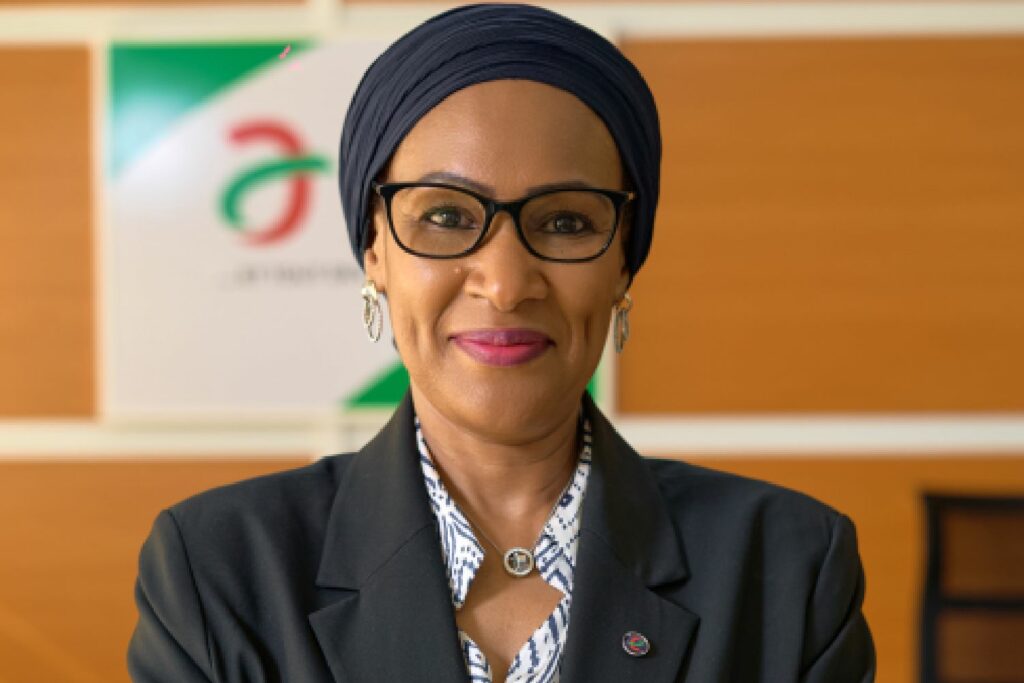
Regarded as a major lever for economic transformation, the law energises stakeholders while also bringing to the fore significant challenges—foremost among them the perennial issue of access to finance for national companies. At the launch ceremony of the Local Content Champion Program, expectations were high regarding the solutions proposed to address this central issue. Ms Adam Cissé, Chief Executive Officer of AFG Assurances, offered a straightforward assessment: “Beyond mining companies and mining subcontractors, there were chartered accountants, tax advisers, transfer companies and insurers. Each stakeholder came with their own interests, but all converged around a single objective: to make the LCCP a genuine lever for transformation.”
A convergence of interests, not a juxtaposition of expectations
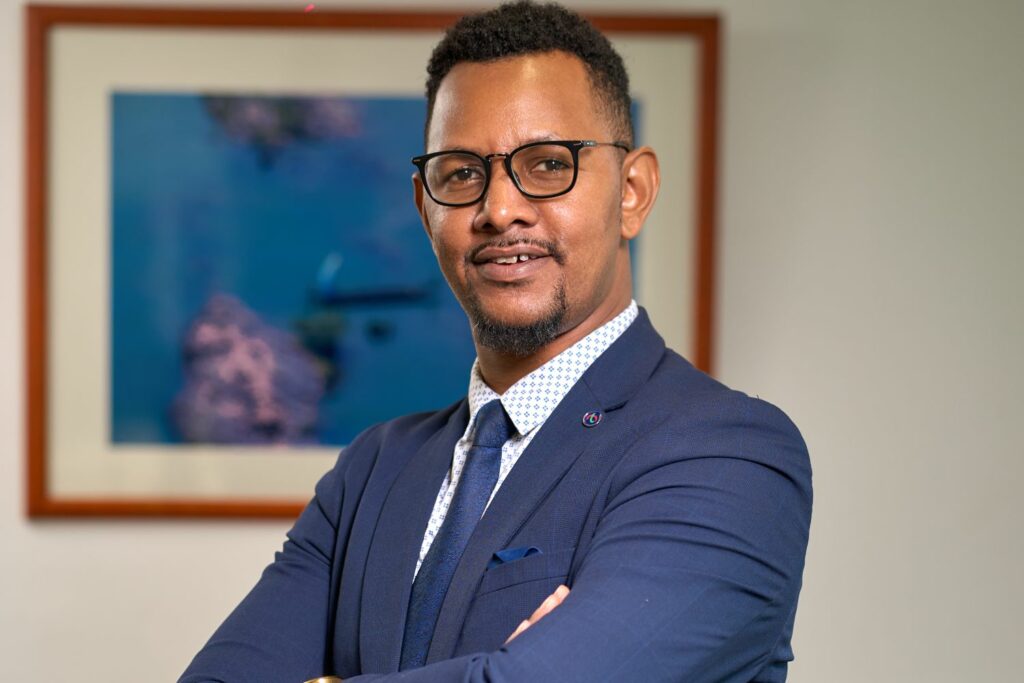
Abdourahmane Bengeloune, Director of Retail and Professional Banking at AFG Bank, succinctly summed up the challenges facing local content. In his view, “several obstacles hinder the scaling-up of local SMEs in the mining sector. These include, above all, the lack of highly specialised technical expertise and the ability to meet essential standards in quality, safety and the environment, which often obliges mining groups to rely on internationally recognised service providers. There is also the weakness of self-financing capacity and difficulties in accessing finance, meaning that even when SMEs have the skills, they are limited in their ability to execute large contracts that require substantial resources.”
Is AFG Bank’s proposed solution commensurate with these needs? A local supplier told us: “Dedicated financing for SMEs will stimulate the economic environment,” while another added: “This will finally allow mining subcontractors to access financing.” To achieve the objectives set by the local content law, all stakeholders are expected to play their part in removing bottlenecks. For Ms Cissé, this requires “a convergence of interests, not a juxtaposition of expectations.” More than a commercial slogan, this appeal appears to be the culmination of a journey rooted in over three years of AFG Bank’s engagement with the mining sector.
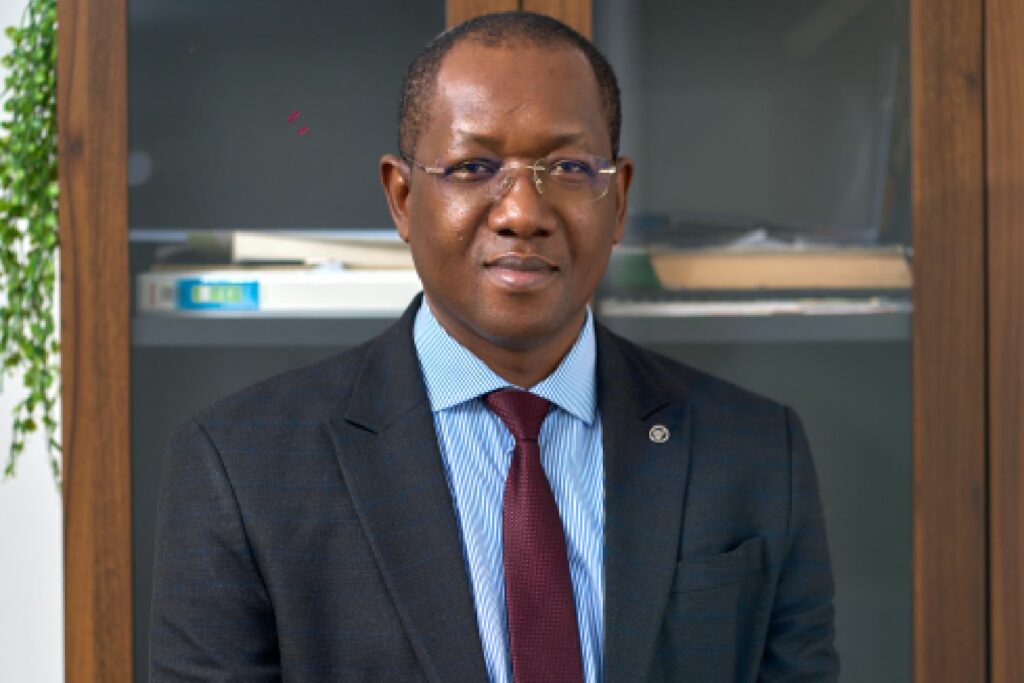
Seydou Coulibaly, Deputy Director of Operations at AFG Bank Mali, reminded us that “the announcement of the LCCP crowns this three-year period. It will undoubtedly help inject new momentum into the banking market, enabling it to fully play its role in supporting the local content law and achieving the State’s strategic objectives.”
A logic of structural transformation
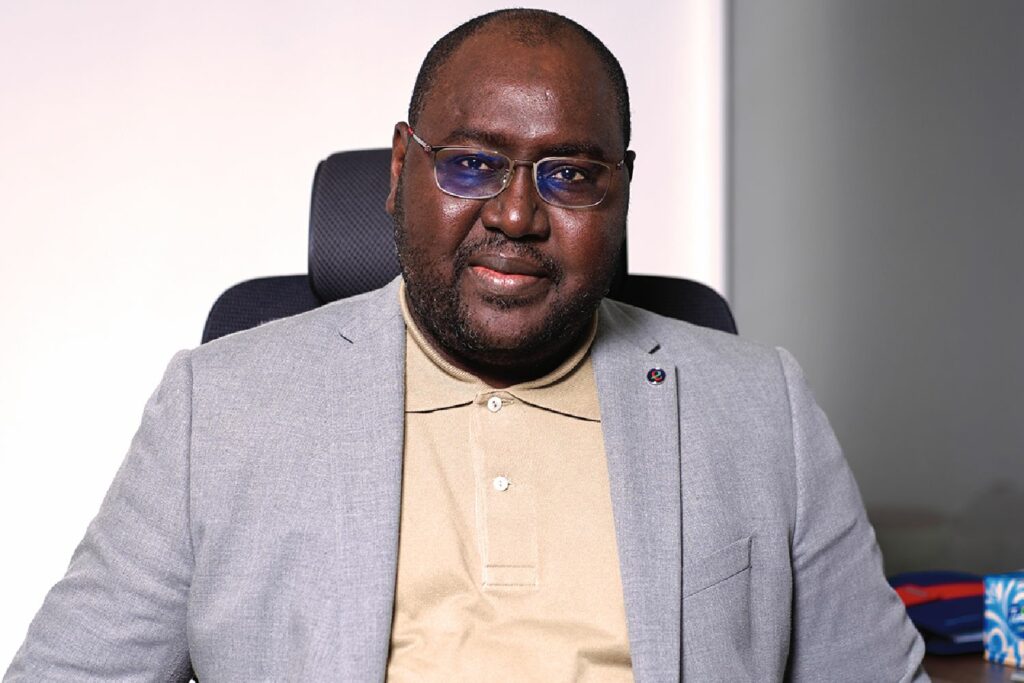
For AFG Bank, the initiative is part of a broader logic of structural transformation. As explained by Ousmane Timbo, Director of Treasury at the bank, it represents a tangible turning point: “The mining sector has been talking about local content for a long time, but often in theoretical terms. Here, the LCCP provides an operational architecture, with tools, a timetable and clearly identified stakeholders.” That such a financing initiative comes directly from the bank itself is an opportunity that mining actors are encouraged to seize in order to raise the quality of services offered to mining companies.
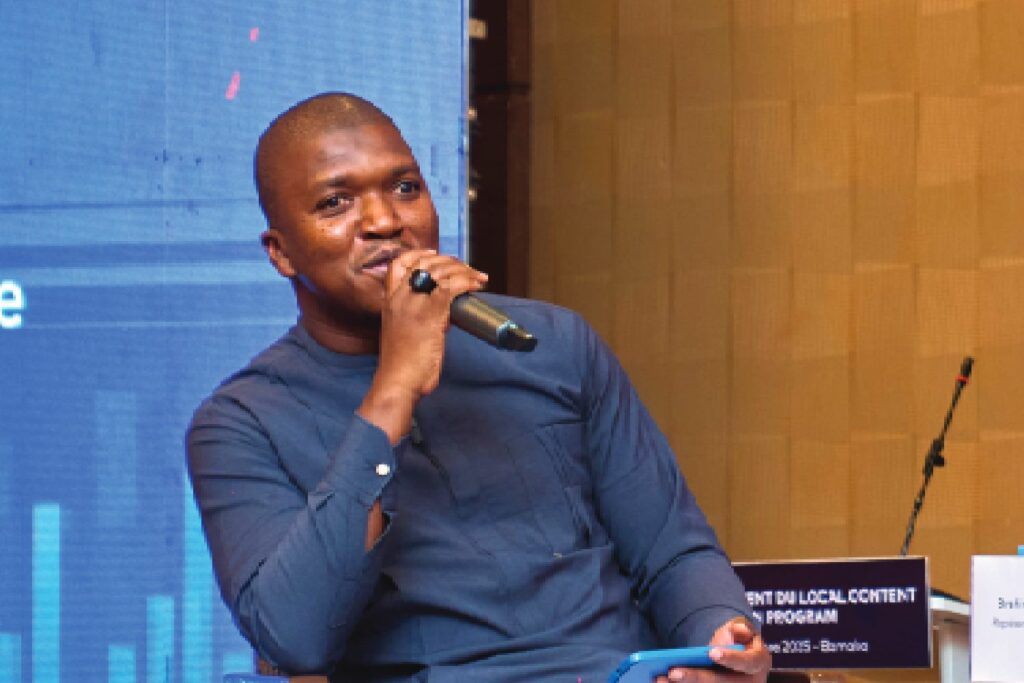
Mahamadou Diakité, Director of the Intelligence and Development Office (BID), looked ahead, predicting that “this programme will facilitate the growth of local companies’ activities.”
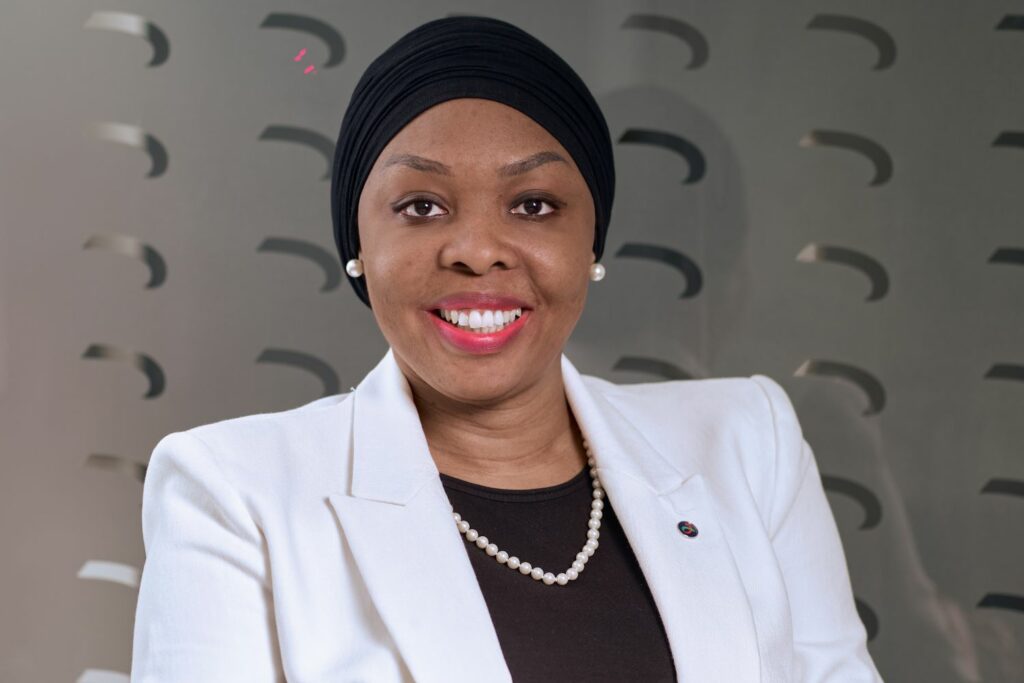
A similar forward-looking exercise was undertaken by Ms Yacoumba Guindo Touré, Head of Global Transaction Banking at AFG. In her view, if the programme delivers on its promises, within the next five years “local SMEs would become key players in the mining value chain, with enhanced capacity to meet international standards.” According to her, the programme will diversify services by covering sub-sectors such as transport, maintenance, equipment supply and engineering, leading to skills upgrading and increased professionalisation of national companies. As mining contracts are secured, “local jobs will be created, with a positive impact on communities through infrastructure development and improved living standards.”
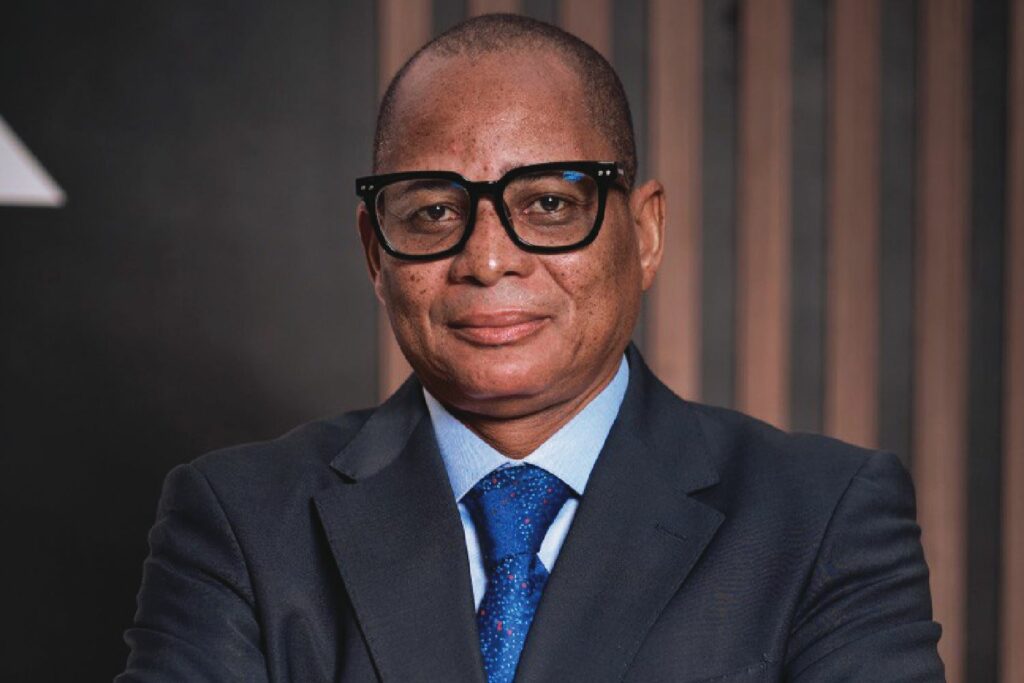
Raymond Dakouo, Technical Director of AFG Assurances, noted that structural transformation necessarily involves both banks and insurers within the LCCP framework. “This is an opportunity for AFG Assurances, as the LCCP financing programme strengthens the partnership with our banking arm (AFG Bank) through tailored insurance contracts designed to secure investments.” Banks and insurers thus become strategic partners, offering products adapted to the sector’s needs. For Adam Cissé, Chief Executive Officer of AFG Assurances, “this is a structuring advance that will help stabilise and further professionalise our financial environment.”
Tailored products
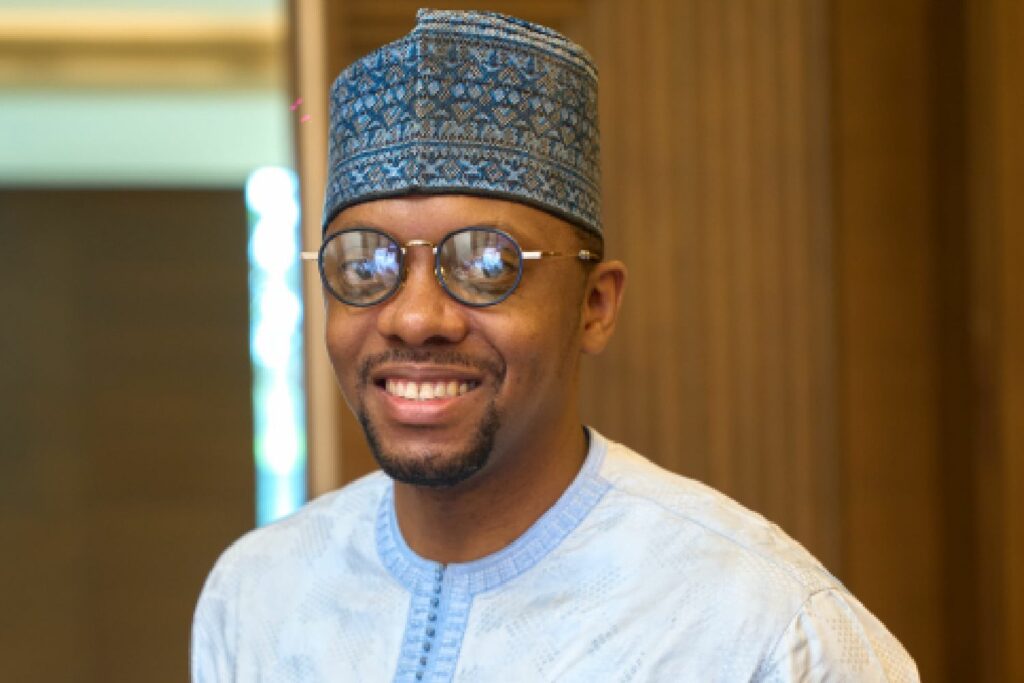
Issa Yattassaye, President of the Alliance of Mining Suppliers and Service Providers (AFOPREM), recalled that “expectations are high, and we will have to make do with the limited means we have.” He acknowledged that the LCCP is “the tool requested by the community of mining structures and service providers.”
That tool is undoubtedly AFG Bank’s ability to combine various banking and insurance mechanisms into a coherent programme. The financing instruments mentioned—leasing, factoring, guarantees, venture capital—are often little known or underused by national companies. Is this because they are perceived as inaccessible, or because their technical complexity is daunting?
For Ousmane Timbo, “field experience shows that instruments such as leasing, factoring or venture capital are not financial gadgets, but effective levers when properly structured and understood. At AFG Bank Mali, we see them as real opportunities: factoring turns a receivable validated by the mine (BAP) into near-immediate liquidity, easing cash-flow pressure and securing contract execution; equipment leasing smooths investment effort and aligns rentals with operating cash flows; venture capital, finally, strengthens the equity base of the most structured SMEs and multiplies their capacity to raise financing.”
Presented in detail at the LCCP launch, these banking products clearly resonated with many participants, especially as AFG Bank committed to allocating more than 70% of the LCCP envelope to financing high value-added activities. The reactions gathered point to genuine momentum around local content, with unanimous agreement that collective effort will be required to achieve the set objectives.
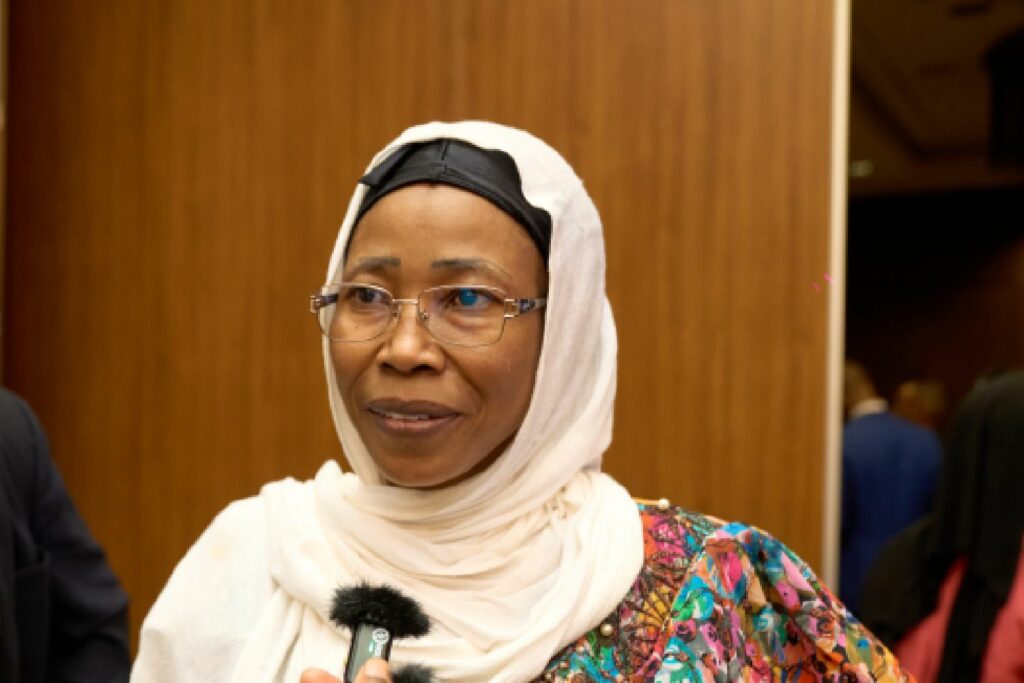
Looking ahead, Deputy Chief Executive Officer Seydou Coulibaly stated that the bank’s ambition is to support the financing of an integrated ecosystem around the production of inputs for the mining sector: “We would like to succeed in building a subcontracting industry more focused on manufacturing than on trading.” To which Ms Wadiou Traoré, President of Women in Mining in Mali, responded: “If there is inclusion, I believe in it—and we will get there.”
By Baba Sakho