Pioneers of the Extractive Sectors: A Museum in Their Honor Soon
Author: B.S.
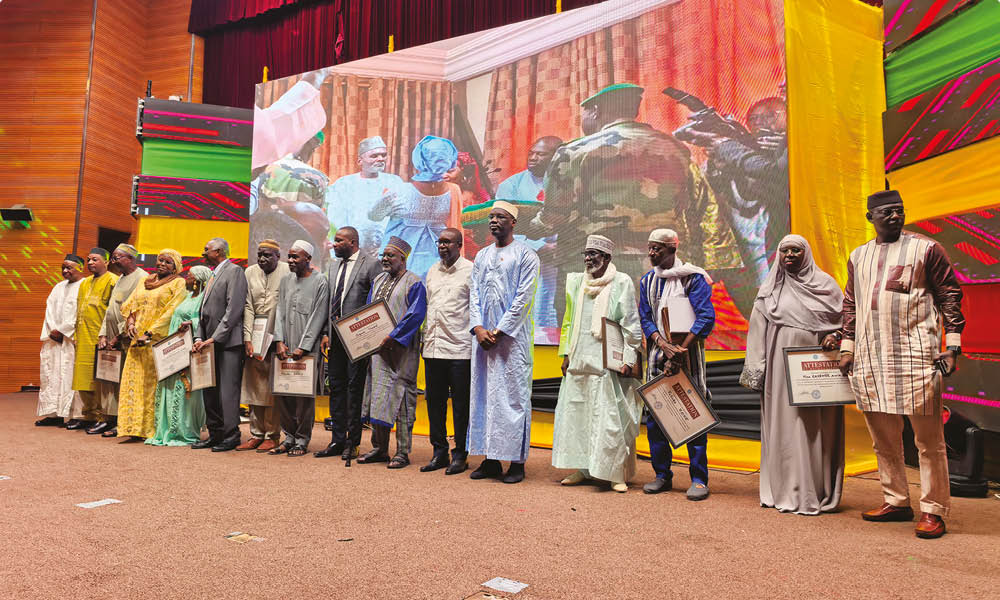
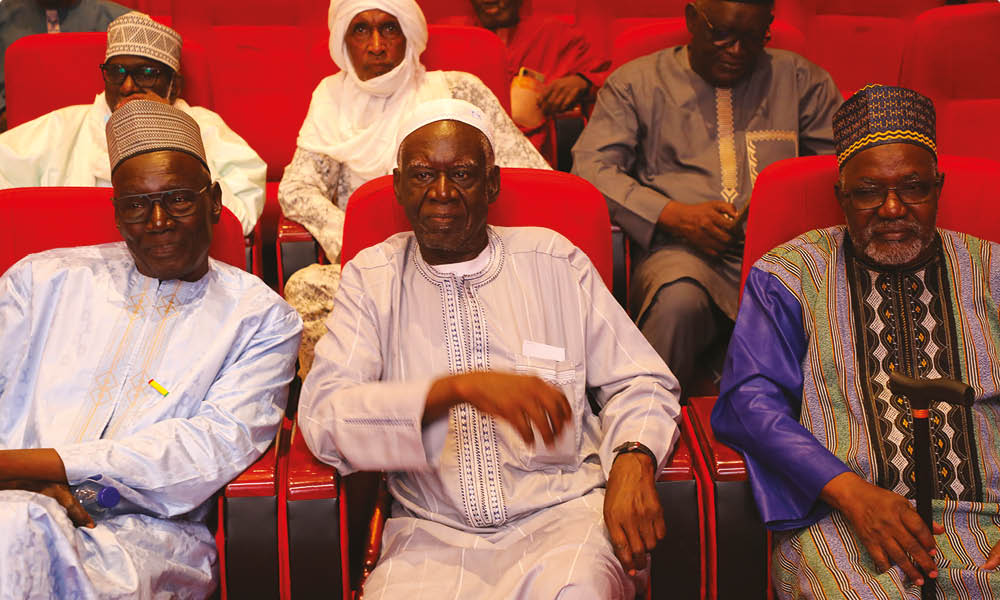
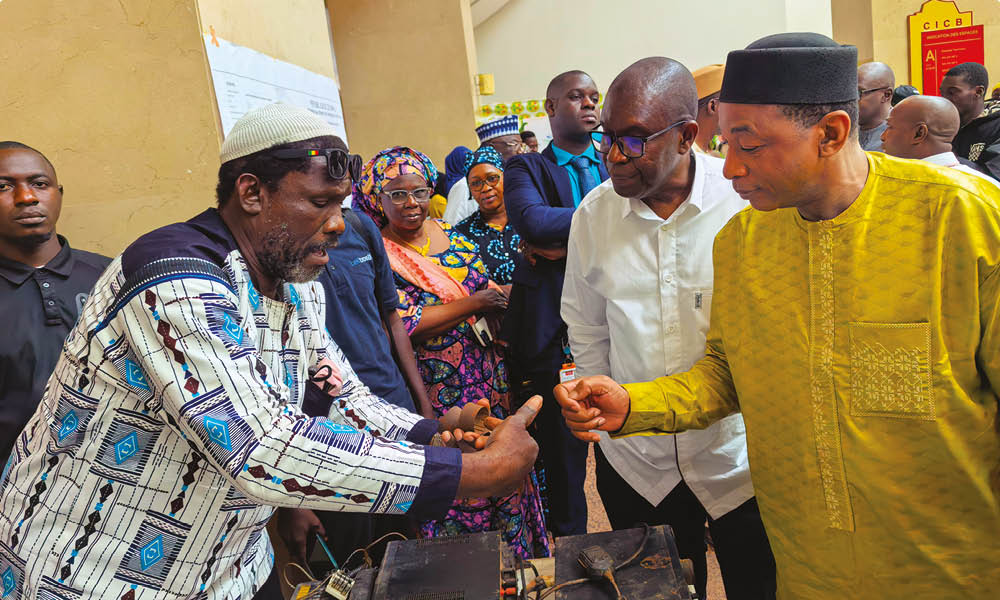
It was under a fine rain, on the morning of Thursday, September 24, 2026, that some 200 to 300 retirees from Mali’s extractive sectors gathered at the Bamako International Conference Center (CICB) for a very special ceremony. The Ministry of Mines was organizing a ceremony to pay tribute to the pioneers of Mali’s extractive sectors. Laden with symbols, this ceremony honored their careers. It also seemed to reflect a desire to restore to these pioneers the place that is rightfully theirs in Mali’s mining history.
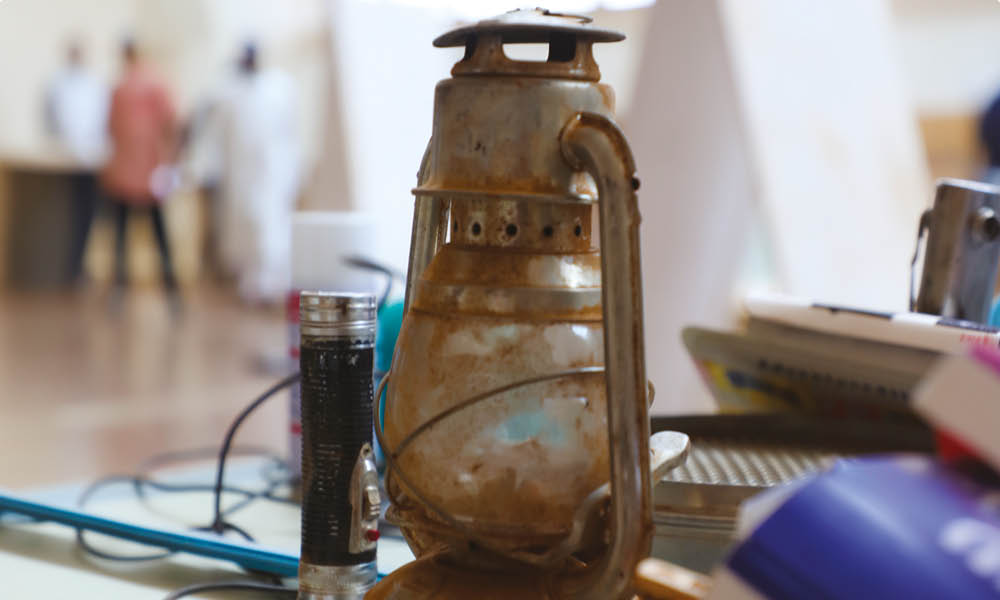
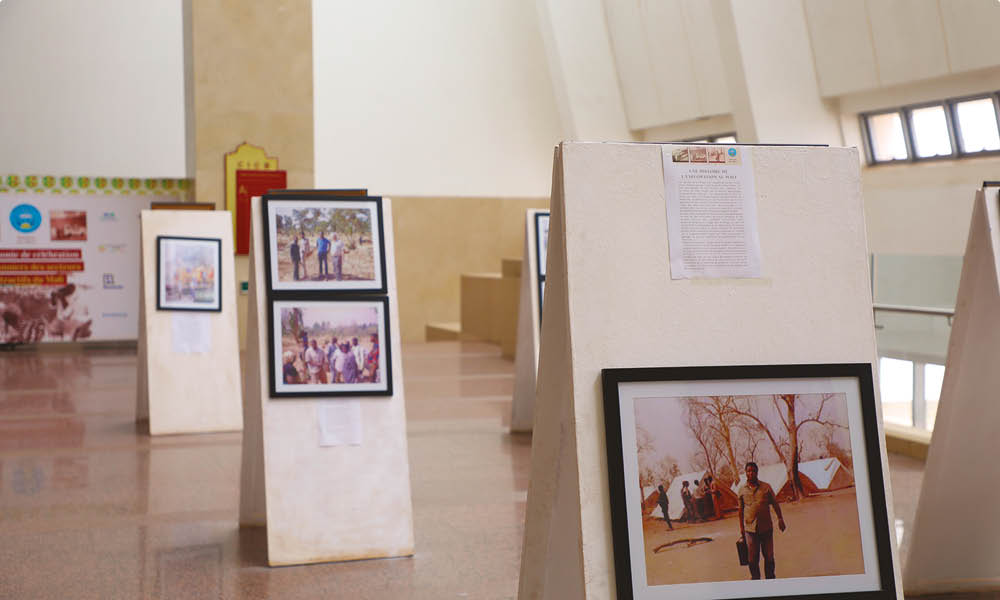
A true moment of communion, the ceremony gave rise to warm reunions, while some elders shared their memories with family members who had come to share in this tribute. Before the activities began, a moment was dedicated to the photos displayed in the CICB hall or to those old instruments that had served geological research missions in our country. In the curious eyes of the youngest present, one could easily guess that these tools had come straight out of another era. Oil lamps, computer floppy disks, compasses, or even orientation wires—ancestors of GPS (Global Positioning System)—were brought out of the Ministry of Mines’ archives to testify to the rudimentary conditions in which the first geologists set out to conquer Mali’s subsoil.
The Secretary General of the Ministry of Mines, Mr. Soussourou Dembelé, recalled in his opening speech that “since Mali’s accession to independence, executives, experts, technicians, and many other agents have worked, often in difficult conditions, on the knowledge, exploration, and valorization of our resources. They contributed to building institutions, structuring the mining administration, and training the generations that succeeded them. Their work constitutes a national heritage that deserves to be known, preserved, and transmitted.”
Strong Announcements and Emotion.
A witness to the early days, Madani Diallo, a recognized expert, gave a mini-conference on the history of geological research, which he traced in three major stages: the structuring of the first mining codes, the first deposit discoveries, and finally, the resource maximization phase. We learn, for example, that the Syama deposit is entirely the work of the National Directorate of Geology and Mines.
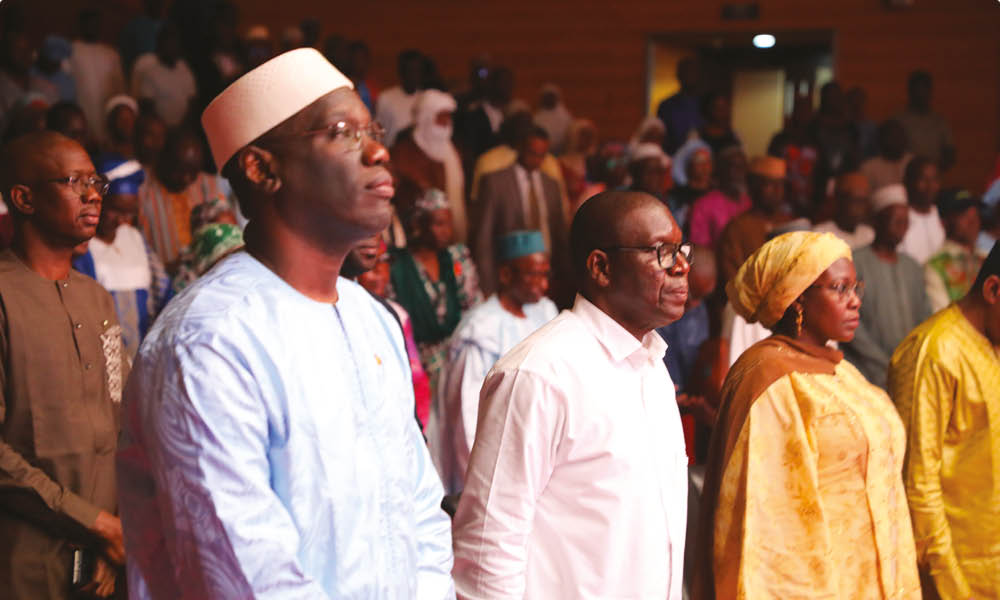
Two strong announcements by the Minister of Mines stirred deep emotion in the room. The first concerned the decision of the Head of State to award ten medals to honor the exceptional contribution of some of these pioneers. The Minister welcomed the support thus given to this initiative. The second announcement made by Minister Amadou Keïta will go down in history if the project it underpins comes to fruition. “From this ceremony, we aim to create the museum of extractive sectors in Mali to engrave in marble and forever what [the pioneers] did for Mali.” This promise by Minister Keïta was particularly applauded by the audience. The pioneers we were able to interview all welcomed this unprecedented initiative, which aims to officially recognize the merits of former agents (executives, technicians, drivers, etc.), preserve the memory of their careers, and foster dialogue between generations.
The Power of Symbolism in the Face of Controversy.
A few discordant voices, discreet but very present, however, denounced “a communication operation intended to repair a narrative of the Transitional Government that for a long time tended to make people believe that nothing was done in the mining sector before these last five years.” The certificates awarded to more than 300 pioneers testify, at the very least, to an official recognition of their contribution. The symbolic scope of this tribute could help calm the controversy.